What's Inside?
A look Inside Your Million Dollar Investment/Video Record
The Bottom Line: When a home stands for over 30 years without structural rot, mold, or roof sagging, it isn't by accident—it's by design. Having the actual video footage of these hidden venting paths is the ultimate "black box" recording, proving the home was engineered to breathe properly and built to last. people are what make us unique. Rather than outsourcing our construction engineers from questionable outsourcing establishments, we provide them with an environment that supports professional growth.We started as a statement against the sloppy professional standards that dominated the field of construction services 20 years ago. We wanted to set a new, high standard and work as consultants, solving our client's problems.
The company quickly grew and cemented itself as the new golden standard in commercial construction. Today we continue to build on that legacy and strive for excellence in everything we do.
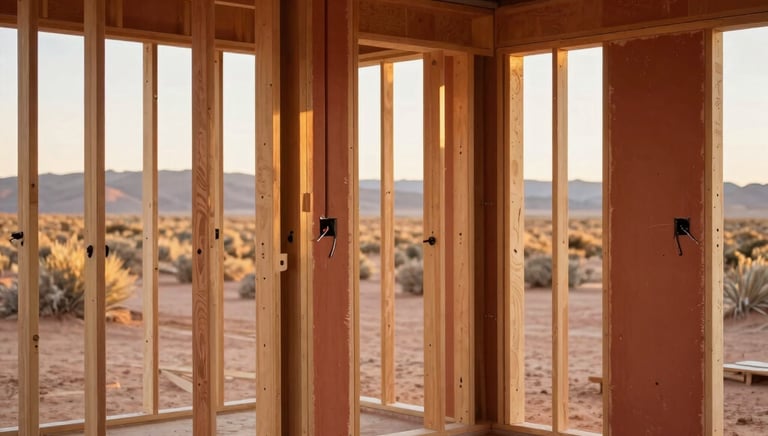
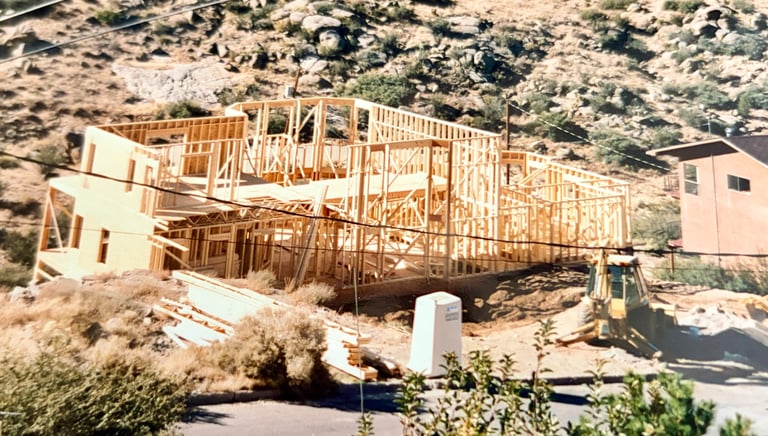
Superior Construction Materials and Methods.
Protecting Your Most Valuable Assets
1. Verifying the Roof and Attic Ventilation
Proper attic ventilation is the single most important factor in preventing premature roof failure. Recorded footage proves that the builder didn't cut corners where it matters most:
Baffle Installation: The video confirms that soffit vents are completely clear and that insulation baffles (rafter vents) were installed correctly. This ensures continuous airflow from the eaves up to the ridge, preventing stagnant hot air from baking the shingles from underneath.
Ridge and Gable Vents: It provides visual proof of the net free ventilating area, showing that the exhaust venting matches the intake venting to keep attic temperatures regulated year-round.
Moisture and Ice Dam Prevention: By proving the attic stays at a consistent, regulated temperature, the video demonstrates that the home is structurally protected against condensation buildup in the winter (which rots roof decking) and ice damming on the eaves.
2. Documenting HVAC and Mechanical Venting
Properly routing combustion and exhaust gases is a matter of both structural integrity and safety. Video evidence of these systems shows:
Draft and Slope: For gas appliances (like water heaters or furnaces), the footage shows that B-vent or PVC exhaust pipes were sloped correctly to ensure gases draft upward and out of the home naturally without pooling condensation.
Exhaust Routing: It proves that bathroom, kitchen, and dryer vents actually terminate outside the home through dedicated wall or roof caps, rather than dumping hot, humid air directly into the attic space—a common builder shortcut that leads to mold.
Sealing and Fastening: The video reveals if joints were properly fastened with sheet metal screws and sealed with high-quality foil tape or mastic, ensuring no toxic fumes or moisture can leak into wall cavities.
3. Proof of Premium Materials
Seeing the actual branding, thickness, and grade of the materials on video is a testament to the home's quality:
Piping and Ductwork: The video shows whether heavy-duty galvanized steel, copper, or high-grade schedule 40 PVC was used, rather than cheaper, thinner alternatives.
Fasteners and Hangers: It documents that heavy-duty straps and hangers were used to support ductwork, ensuring nothing will sag, rattle, or separate inside the walls over the decades.
The Bottom Line: When a home stands for over 30 years without structural rot, mold, or roof sagging, it isn't by accident—it's by design. Having the actual video footage of these hidden venting paths is the ultimate "black box" recording, proving the home was engineered to breathe properly and built to last. people are what make us unique. Rather than outsourcing our construction engineers from questionable outsourcing establishments, we provide them with an environment that supports professional growth.
Here is why having recorded evidence of these two specific elements is incredibly valuable:
1. Concrete Proof of Wall Framing & Insulation Cavities
Most people looking at a home have to guess what's inside the finished walls. Your video provides clear, visual evidence of the physical skeletal structure:
True Stud Size (2×4 vs. 2×6): The video visually proves the depth of the wall cavities. If the home was built with 2×6 exterior framing (which was a premium choice 30 years ago), the video shows this extra depth. 2×6walls allow for significantly thicker insulation, superior thermal performance, and exceptional structural rigidity against high winds.
Header and Corner Construction: It documents the size of the structural headers over windows and doors (proving they aren't sagging or undersized) and shows how the corners were framed to ensure there are no uninsulated "cold spots" where condensation could form behind the drywall.
2. Definitive Proof of Water Penetration Protection
Water damage usually happens from the outside in, and the most critical defenses are completely buried once the stucco, siding, or brick is applied. The video captures these vital, hidden layers:
The Weather-Resistive Barrier (WRB): The footage shows the exact type of housewrap or building paper (like Tyvek or heavy asphalt felt) used behind the exterior cladding. It proves the barrier was installed with the correct overlaps, wrapped tightly around corners, and integrated properly with the framing.
Window and Door Flashing: The majority of home water leaks occur around openings. The video is physical proof of how the window and door sills were flashed. Seeing that metal or membrane flashing was layered in a "shingle fashion" (so water is naturally routed outward and downward) is absolute gold for verifying long-term dry walls.
Foundation Waterproofing & Drainage: For the below-grade portions of the foundation, the video captures the waterproofing sealants (like elastomeric membranes or bituminous coatings) applied to the exterior concrete. If a French drain, perimeter drain, or gravel backfill was installed around the footing to direct hydrostatic pressure away from the foundation, the video provides the only living proof that it exists and was done right.
The Bottom Line: You aren't just selling or maintaining a house; you are proving the integrity of a sealed system. Showing a prospective buyer or an engineer the actual 2×6 framing and the meticulously layered waterproofing barriers completely removes the "fear of the unknown." It proves the home wasn't just built to look good—it was built to stay dry and structurally sound for generations.
1. Foolproof Floor Penetrations
Whenever a contractor or DIYer needs to secure something to the floor, they no longer have to guess or use expensive thermal imaging cameras to find the hot spots:
Carpet Tack Strips: Allows installers to safely nail down tack strips along the perimeter of a room without hitting a loop.
Thresholds and Transition Strips: Ensures that metal transition strips between different flooring types (like tile to hardwood) can be drilled and anchored safely.
Fixtures and Cabinets: If you ever remodel a kitchen or bathroom, the video shows exactly where it is safe to anchor a new kitchen island, vanity, toilet flange, or heavy floor-mounted door stops.
2. Hassle-Free Flooring Upgrades
Different floor coverings have different requirements. Whether you are replacing carpet, laying down tile, or installing engineered hardwood:
Tile Installation: Tile thinset and backer boards often require specific prep. Knowing exactly where the tubes run helps installers understand the heat distribution, which is crucial for choosing the right crack-isolation membranes and adhesives that won't degrade under thermal expansion.
Nail-Down Wood Flooring: If a future owner wants to install solid hardwood, they must nail it to a subfloor. The video acts as a direct guide showing where they can and absolutely cannot place fasteners.
3. System Diagnostics & Tuning
If a room ever has a "cold spot" or the heating feels uneven, the video provides the answers:
Loop Layout and Spacing: It shows the exact pattern (e.g., serpentine or counter-spiral) and spacing of the tubes. This helps an HVAC technician instantly calculate the flow rate and heat output of specific zones without needing to speculate.
Manifold Connections: It documents how the tubes run back to the central manifold, making it simple to trace which loop corresponds to which room.
This is the ultimate insurance policy against a multi-thousand-dollar mistake.
1. Concrete Pinned to Granite: Visual Proof of Rock-Solid Anchoring
Building on a granite hillside requires specialized engineering. Your video provides a permanent record of this foundational integration:
The Interface with Nature: The footage shows exactly how the foundation was custom-fit to the natural contours of the granite rock. It proves that the builder didn't just pour concrete over dirt, but instead cleared down to the solid bedrock.
Proof of Rock Pinning: If the foundation was pinned to the granite, the video captures the crucial, hidden steps: drilling deep into the solid granite, inserting massive steel rebar dowels, and epoxy-anchoring them before pouring the concrete. This visual proof guarantees the house is physically locked to the mountain and cannot slip or shift on the grade.
2. Proof of Extra-Large, Custom Footings
On a slope, the footings bear massive downhill and vertical loads. Since they are buried under tons of dirt and concrete, your video is the only way to inspect them:
Documenting the Scale: The video visually demonstrates the sheer size and depth of the extra-large footings. Anyone watching can see that the builder went far beyond the minimum building code requirements to ensure absolute stability.
Reinforcement Matrix: It shows the heavy grid of steel rebar laid inside the footing forms before the concrete pour. This proves the footings possess the high tensile strength required to handle soil pressure and downhill shear forces over the span of centuries.
Stepped Footing Design: It documents how the footings were "stepped" down the grade, showing a deliberate, engineered transition rather than a continuous sloped pour, which prevents the foundation from sliding.
3. The Power of "No Settling" Evidence
When a home is over 30 years old, time has already done the testing.
The Ultimate Validation: By pairing your 30-year-old video of the raw foundation pour with the home's pristine current condition (no cracked drywall, no stuck doors, no sloping floors), you have irrefutable, scientific proof that the foundation design was a massive success.
Eliminating Slope Anxiety: Buyers are often terrified of hillside homes due to fears of shifting foundations or retaining wall failures. Showing them the actual footage of the concrete-to-granite interface and the oversized footings instantly eliminates that fear.
This footage transforms a hidden, complex engineering system into an open book. It tells a powerful story of a home built to the highest possible standards, completely locked to the earth.


Esther Bryce
Founder / Interior designer


Lianne Wilson
Broker


Jaden Smith
Architect


Jessica Kim
Photographer